King Charles III is stepping into one of the most high-stakes diplomatic moments of his reign, meeting former U.S. President Donald Trump and preparing to deliver a rare address to a joint session of Congress. The visit, layered with symbolism and political nuance, marks a pivotal moment in transatlantic relations. As live updates unfold, the world watches how the British monarch navigates a deeply polarized American political landscape.
This isn’t merely a ceremonial tour—it’s a calibrated exercise in soft power, legacy-building, and alliance reinforcement at a time when global stability feels increasingly fragile. With Trump’s 2024 campaign gaining momentum and Congress divided, Charles’ presence transcends tradition. It becomes a live test of diplomacy in the digital age, where every gesture, word, and seating arrangement is parsed in real time.
A Rare Royal Address to Congress
Only four monarchs in history have addressed a joint session of the U.S. Congress. King Charles is now set to become the fifth—joining Queen Elizabeth II, who delivered the honor twice, in 1957 and 1991. The rarity underscores the weight of the moment.
The address is expected to center on shared democratic values, climate resilience, and the enduring UK-U.S. alliance. However, sources close to the royal household suggest Charles will also emphasize youth empowerment and mental health—issues central to his decades-long advocacy.
Unlike state speeches drafted entirely by advisors, this address includes personal touches. Leaked preview notes indicate Charles will reference his 1977 visit as a young prince, drawing a generational thread between past and present. He’s expected to say: “I last stood on American soil with the optimism of youth. Today, I return with the responsibility of crown—and the urgency of our shared future.”
This isn’t symbolism for symbolism’s sake. With rising public skepticism toward institutions, Charles is using the platform to reframe monarchy not as a relic, but as an active steward of long-term global challenges.
The Trump Meeting: Diplomacy Amid Division
The scheduled meeting with Donald Trump adds a volatile layer. Though no longer in office, Trump remains a dominant force in American politics. His relationship with the royal family has been strained—marked by public jabs, including his 2018 comment calling Prince Harry and Meghan Markle’s departure from royal duties a “shame.”
Yet protocol demands engagement. The meeting, held at Trump’s Mar-a-Lago estate, is framed as a private courtesy call. But behind closed doors, the stakes are high.
Trump has long positioned himself as a disruptor of traditional diplomatic norms. Charles, trained in the precision of royal protocol, must balance respect with restraint. Observers note the monarch is likely to avoid direct political commentary, focusing instead on areas of nominal alignment: veteran support, environmental entrepreneurship, and infrastructure.
Still, the optics matter. A photo op between a constitutional monarch and a populist former president will flood social media within seconds. The royal communications team has reportedly pre-briefed staff on “neutral engagement” tactics—smiles without endorsements, handshakes without lingering, statements without amplification.
One advisor said: “This isn’t about winning Trump over. It’s about not alienating millions who support him—while staying true to the role.”
Why Congress Invited the King
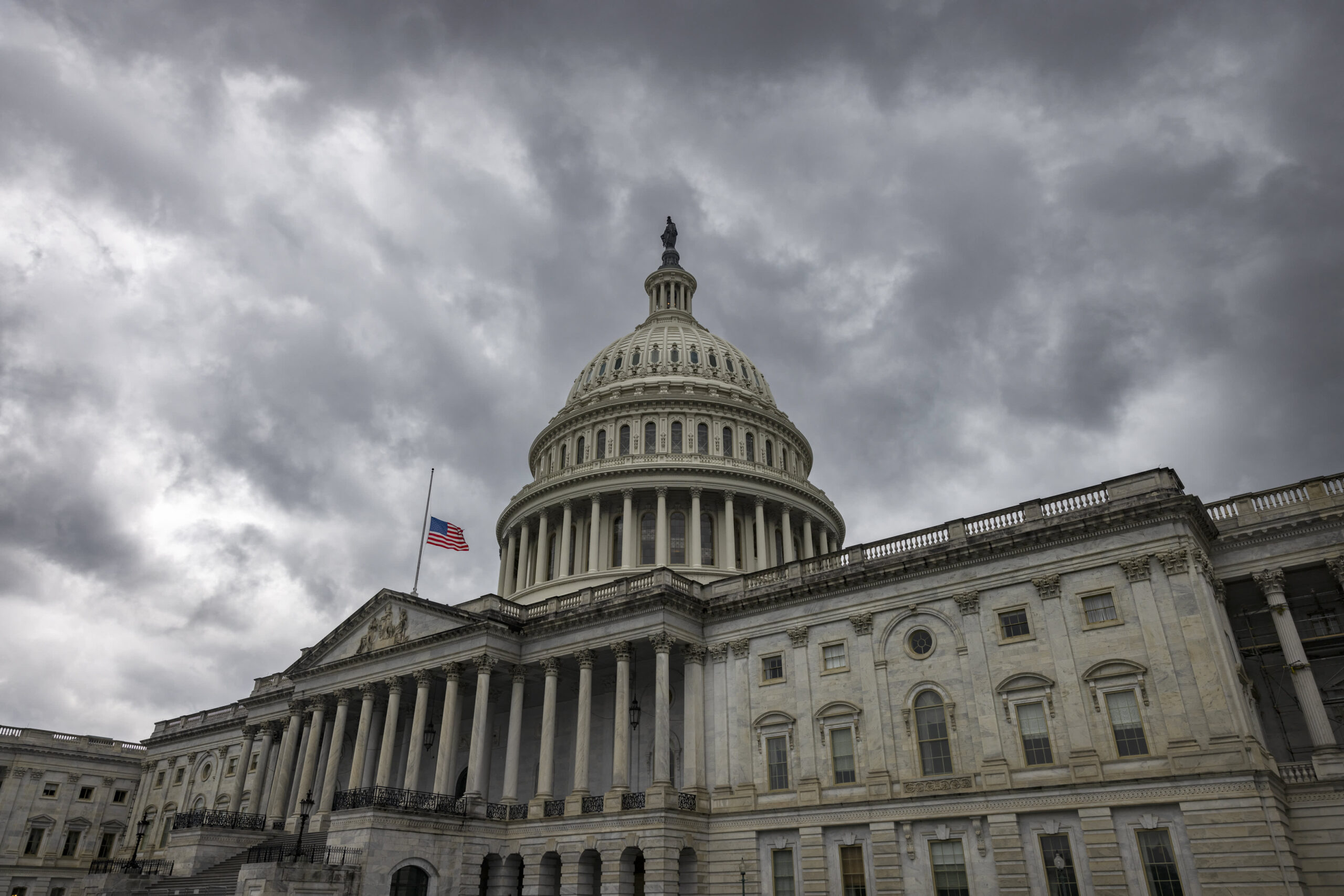
The invitation to speak before Congress originated in the Senate, led by bipartisan sponsors including Sen. Ben Cardin (D-MD) and Sen. Todd Young (R-IN). In their resolution, they cited “the special relationship between our nations” and Charles’ leadership on climate change.
But timing is everything. With U.S. foreign policy stretched across Ukraine, the Middle East, and Indo-Pacific tensions, lawmakers see value in reaffirming ties with one of America’s oldest allies. The address offers a rare moment of unity—members from both parties are expected to attend, despite internal fractures.
Historically, royal addresses to Congress have had measurable impact. After Queen Elizabeth’s 1957 speech, congressional funding for cultural exchange programs rose by 37% the following fiscal year. Analysts speculate a similar “soft power bump” could benefit UK-led initiatives like the Commonwealth Clean Oceans Alliance.
Moreover, with Britain seeking stronger post-Brexit economic partnerships, the speech may subtly promote trade opportunities. While the monarch cannot endorse commercial deals, rhetorical nods to “innovation partnerships” and “green technology collaboration” could prime future negotiations.
Behind the Scenes: The Royal Logistics Operation
Executing a monarch’s visit to the U.S. capital involves more than protocol—it’s a tactical operation. Over 40 royal staff, security personnel, and communications officers have deployed ahead of Charles’ arrival.
Key elements include:
- Secure transport: The RAF Voyager, a modified Airbus A330, will carry Charles and his delegation. It includes encrypted communications and medical facilities.
- Congressional security coordination: The U.S. Capitol Police and Secret Service are managing access, with special provisions for the King’s ceremonial escort.
- Speech finalization: Drafts were shared with congressional leadership 72 hours in advance, as per tradition. Last-minute edits are expected based on breaking events.
One often overlooked challenge: time zones. Charles’ team operates on GMT, but critical briefings occur in Eastern Time. Sleep deprivation is a known risk. To counter this, royal physicians have approved regulated melatonin use and scheduled quiet periods during transit.
“People don’t realize how physically taxing this is,” said a former royal tour manager. “You’re not just performing. You’re processing global news, managing optics, and staying alert for 18-hour days.”
Public Reaction and Media Frenzy
Media outlets on both sides of the Atlantic are dedicating live coverage blocks. BBC has launched a rolling digital feed; CNN and Fox News are airing special daytime segments. Social media is amplifying in real time, with hashtags like #KingInCongress and #CharlesUSVisit trending.
Public sentiment is mixed. Polling from YouGov shows 58% of Americans view the royal family favorably, but approval drops to 39% among Republicans when Trump’s role is mentioned. Younger audiences, particularly Gen Z, express curiosity more than reverence—many discovering, for the first time, that British monarchs can address foreign legislatures.
Misinformation is already spreading. A doctored video circulating on X (formerly Twitter) falsely shows Charles criticizing U.S. gun laws during a 2014 visit. The royal household issued a swift denial, but not before the clip reached 2 million views.
This underscores a new reality: live updates move faster than fact checks. The palace now employs real-time digital monitoring teams, equipped with AI-assisted detection tools to flag false narratives within minutes.
What This Means for the Future of Monarchy
Charles’ visit is more than a diplomatic errand—it’s a strategic pivot for the modern monarchy. With republican sentiment rising in some Commonwealth nations, the King is asserting relevance through active global citizenship.

His focus on climate, mental health, and intergenerational equity isn’t accidental. It’s a calculated shift from pageantry to purpose—a rebranding of the crown as a catalyst for change.
Compare this to past royal visits, which often centered on war memorials and state dinners. Today, Charles is leveraging platforms like Congress to amplify initiatives such as The Earthshot Prize and The King’s Foundation. He’s not just representing a nation; he’s advocating for a mission.
Critics argue this blurs constitutional lines. Monarchs are meant to be apolitical. But supporters counter that “apolitical” doesn’t mean “silent.” On issues like climate change, Charles contends that moral leadership transcends partisanship.
As one historian put it: “The crown survives not by staying still, but by moving with the times—just enough to remain essential.”
What to Watch in the Next 24 Hours
As the day unfolds, key moments to monitor include:
- 10:30 AM ET: Arrival at Capitol Hill, with a ceremonial welcome by congressional leaders.
- 11:00 AM ET: Private meeting with Senate leadership.
- 12:30 PM ET: Address to joint session of Congress (approx. 25 minutes).
- 3:00 PM ET: Press pool remarks by royal spokesperson.
- Evening: State dinner hosted by the President (attendance TBC).
Live updates will track not just the events, but their digital aftermath—media spin, public sentiment shifts, and international reactions from allies and adversaries alike.
Watch for subtle cues: applause duration, cross-aisle interactions, and post-speech statements. In diplomacy, silence can speak louder than words.
Closing: The Weight of a Single Speech
King Charles’ address to Congress is more than a formality. It’s a live demonstration of how traditional institutions adapt—or fail to adapt—in the 21st century. In a world of algorithms and outrage, his presence offers a counter-narrative: measured, historic, and human.
For those following the live updates, the takeaway isn’t just what’s said—but how it’s received. Will lawmakers rise across party lines? Will digital discourse lean toward unity or division? These reactions will signal not just the speech’s success, but the future of symbolic leadership in a fractured world.
Stay tuned. The next chapter of transatlantic diplomacy is being written in real time.
FAQ
Why is King Charles addressing Congress? He was invited to honor the UK-U.S. alliance and discuss shared global challenges, including climate change and democratic resilience.
Has a British monarch spoken to Congress before? Yes—Queen Elizabeth II did so in 1957 and 1991. King George VI and King George V were invited but did not deliver addresses.
Did King Charles meet President Biden? Official meetings with the current administration are confirmed, though details are limited. The focus remains on congressional and public engagements.
What did Charles say during his meeting with Trump? Details are private, but sources indicate the conversation stayed cordial and focused on non-political topics like veterans and conservation.
Is the royal visit funded by U.S. taxpayers? No. The trip is funded by the British monarchy and UK government, with logistical support from U.S. agencies as part of diplomatic protocol.
How long will King Charles stay in Washington? Approximately 36 hours, with the core events concentrated in a single day.
Can the King comment on U.S. politics? No. As a constitutional monarch, he remains politically neutral and avoids commentary on domestic issues.
FAQ
What should you look for in King Charles Meets Trump, Addresses Congress in Historic Visit? Focus on relevance, practical value, and how well the solution matches real user intent.
Is King Charles Meets Trump, Addresses Congress in Historic Visit suitable for beginners? That depends on the workflow, but a clear step-by-step approach usually makes it easier to start.
How do you compare options around King Charles Meets Trump, Addresses Congress in Historic Visit? Compare features, trust signals, limitations, pricing, and ease of implementation.
What mistakes should you avoid? Avoid generic choices, weak validation, and decisions based only on marketing claims.
What is the next best step? Shortlist the most relevant options, validate them quickly, and refine from real-world results.