Every year, hundreds of workers suffer preventable injuries during equipment maintenance—not because machines fail, but because safety procedures do. At the heart of these incidents? A breakdown in the typical lockout tagout (LOTO) procedure. It’s not a lack of awareness; it’s often a misapplication of the standard steps, inconsistent enforcement, or incomplete training.
The typical lockout tagout procedure isn’t just a compliance checkbox. It’s a structured system designed to isolate all hazardous energy sources before maintenance or servicing. When executed correctly, it prevents accidental startups, energy releases, and catastrophic events. But when shortcuts creep in—like using a tag without a lock, skipping verification, or assuming someone else locked out—the system fails.
This guide breaks down the standard LOTO process, highlights real-world missteps, and offers actionable insights to strengthen safety in any industrial or commercial environment.
What Is the Typical Lockout Tagout Procedure?
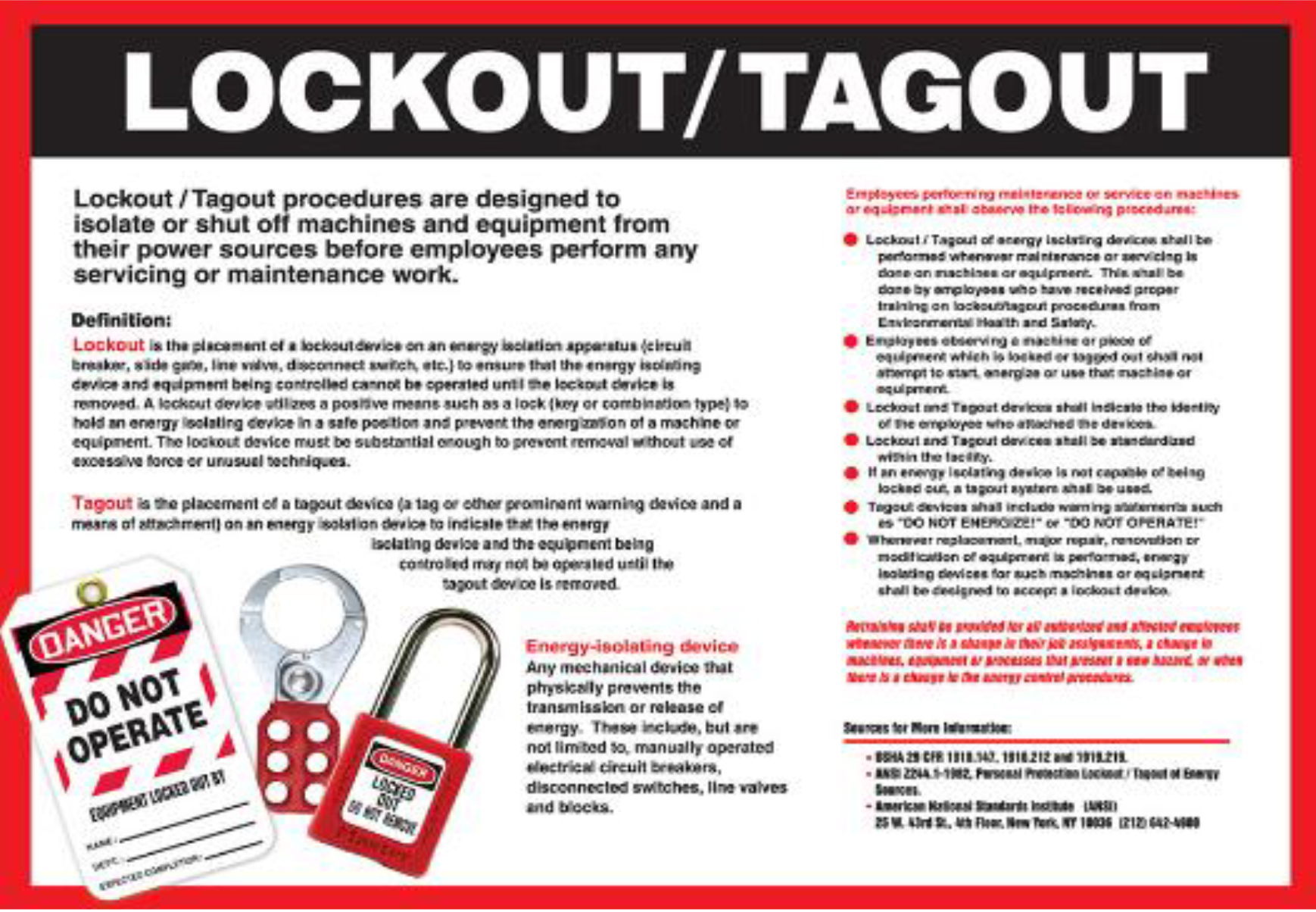
Lockout tagout is a safety protocol used to ensure machines or equipment are properly shut off and cannot be restarted until maintenance or servicing is complete. The term combines two components:
- Lockout: Physically securing an energy-isolating device (like a breaker or valve) with a lock.
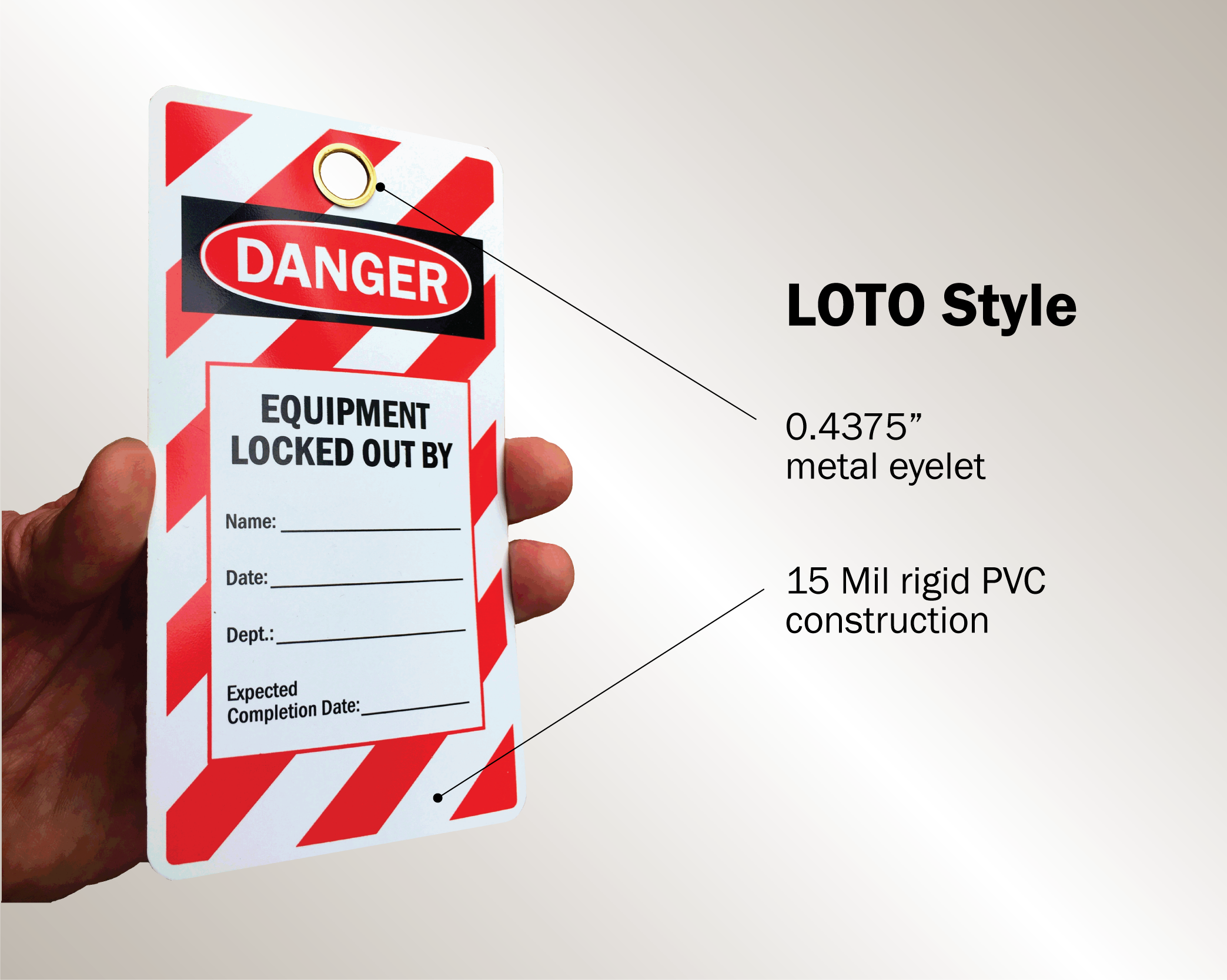
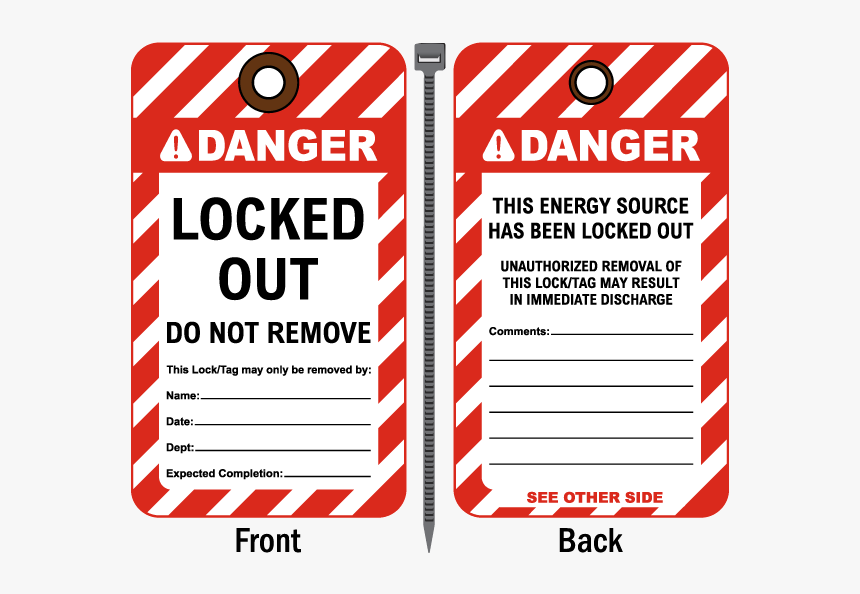
- Tagout: Attaching a warning tag to the device that explains why it’s locked and who is responsible.
While tagout alone can be used in certain cases, OSHA standard 29 CFR 1910.147 requires lockout as the primary method when feasible. The typical LOTO procedure applies to any equipment that uses electrical, mechanical, hydraulic, pneumatic, chemical, thermal, or other forms of energy.
The core purpose is simple: eliminate the risk of unexpected energization or startup during service.
The 6-Step Standard LOTO Process
While variations exist across industries, the typical lockout tagout procedure follows a consistent six-step framework. Deviating from any step introduces risk.
1. Preparation: Identify Hazards and Energy Sources
Before any shutdown, authorized employees must assess the equipment. This includes:
- Determining all types of hazardous energy involved.
- Identifying isolation points (e.g., circuit breakers, disconnects, valves).
- Reviewing written LOTO procedures specific to the machine.
Example: On a conveyor system, energy sources may include electrical motors, tensioned belts (mechanical), and compressed air cylinders (pneumatic). Each must be isolated separately.
2. Notification: Alert Affected Personnel Workers operating or impacted by the equipment must be informed. This prevents tampering and ensures awareness.
Best practice: Use clear verbal or visual alerts (e.g., “Maintenance in Progress – Do Not Operate” signs) before shutdown.
3. Equipment Shutdown
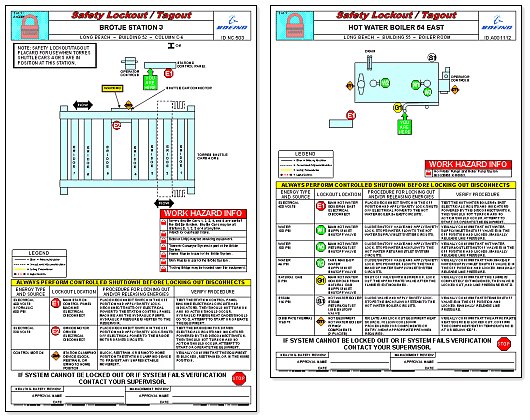
Using Normal Controls Shut down the machine using its standard stop procedures—never by cutting power at the source first. This prevents uncontrolled stops that could damage systems or injure personnel.
Common mistake: Workers power off a machine via emergency stop buttons, which doesn’t guarantee isolation and may not trigger proper shutdown sequences.
4. Isolation and Application of Locks/Tags
After shutdown, energy-isolating devices are secured. Each worker performing service applies their own lock and tag. This is a critical principle: one person, one lock, one key.
- Locks must be durable, standardized, and not easily defeated.
- Tags must include the worker’s name, department, time, and reason for lockout.
Group lockout situations require a lead authorized employee to coordinate, but individual accountability remains.
5. Control of Stored or Residual Energy Even after isolation, energy can remain—like pressurized lines, elevated parts, or capacitors. This step involves:
- Bleeding lines.
- Blocking moving parts.
- Draining capacitors.
- Allowing hot surfaces to cool.
Real-world case: A technician servicing a hydraulic press failed to relieve line pressure. When disassembling a fitting, the sudden release caused a high-pressure fluid injection injury.
6. Verification of De-Energization
This is the final and most crucial step. The authorized employee must test the equipment to confirm it cannot start.
- Attempt to restart using normal controls (e.g., push start button).
- Use voltage testers, pressure gauges, or other verification tools.
If the machine operates—even briefly—the process failed. Return to Step 4.
Common LOTO Procedure Failures and How to Avoid Them
Even facilities with written LOTO programs experience lapses. Here are the most frequent breakdowns:
| Failure | Risk | Prevention |
|---|---|---|
| Using tagout without lockout where locks are feasible | Unauthorized re-energization | Enforce lock-first policy |
| Failure to verify de-energization | Accidental startup during service | Mandate test-start attempts |
| Group lockout without coordination | Miscommunication, early release | Use hasp systems with individual locks |
| Incomplete energy source identification | Residual energy release | Conduct energy audits per machine |
| Lack of periodic inspections | Procedure drift | Perform annual audits with employees |
One manufacturing plant reduced LOTO incidents by 70% after introducing shadow audits—where safety officers observe real-time lockout procedures without warning.
Real-World Application: LOTO in Action
Consider a maintenance technician scheduled to replace a motor on a packaging line.

- Preparation: The technician reviews the site-specific LOTO procedure, noting electrical disconnects and pneumatic valve isolations.
- Notification: Line operators are informed; a notice is posted.
- Shutdown: The technician stops the line using the control panel.
- Isolation: They shut off the main disconnect and close the air supply valve, applying personal locks to both.
- Energy Control: They bleed air lines and check for trapped voltage.
- Verification: After testing the start button (no response), they begin work.
Later, a second technician joins. They apply their own lock to the same hasp. Only when both are done and remove their locks can the machine be re-energized.
This example shows how individual responsibility and verification create layers of safety.
Equipment and Tools That Support LOTO Compliance
While the procedure is standardized, certain tools improve reliability and consistency:
- Lockout Hasps – Allow multiple locks to be applied to a single isolation point.
- Valve Lockouts – Fit over lever or gate valves to prevent opening.
- Circuit Breaker Locks – Secure breakers in the OFF position.
- Padlocks with Unique Keys – Assigned to individual employees to prevent unauthorized removal.
- Group Lockout Stations – Centralized kits containing locks, tags, hasps, and templates for common machines.
Pro tip: Use color-coded locks by department (e.g., red for maintenance, blue for production) to improve visibility and accountability.
Periodic Inspections: Keeping LOTO Effective
OSHA requires that LOTO procedures be inspected at least annually. These inspections aren’t just paperwork—they’re live audits.
An authorized employee and a representative from the affected department should:
- Observe a real lockout event.
- Review each step of the procedure.
- Confirm documentation matches practice.
- Identify gaps or deviations.
Findings should lead to immediate updates in training or procedure documents. Facilities that treat inspections as compliance exercises miss the point. The goal is continuous improvement.
Training: The Human Factor in LOTO Success
A flawless procedure means nothing without trained personnel. Training must cover:
- The purpose and function of the energy control program.
- Steps and limitations of LOTO.
- Differences between authorized employees and affected personnel.
- Recognition of hazardous energy sources.
- Use of locks, tags, and verification tools.
Refresher training is required whenever there’s a change in job duties, equipment, or procedures—and at least every 12 months.
One refinery saw a spike in near-misses after hiring temporary contractors. Investigation revealed they hadn’t been trained on site-specific LOTO steps. After integrating contractor training into onboarding, incidents dropped to zero.
Closing: Make LOTO a Culture, Not a Checklist
The typical lockout tagout procedure is a proven method to prevent serious injury. But its effectiveness depends on more than compliance—it relies on discipline, clarity, and a culture that prioritizes safety over speed.
Implementing the six steps isn’t enough. You must audit, train, and reinforce daily. Encourage workers to speak up when procedures are skipped. Celebrate safe behavior, not just output.
Start tomorrow by shadowing a real LOTO event. Watch each step. Ask: Could this fail? How? Then fix it before an accident does.
Frequently Asked Questions
What is the first step in a LOTO procedure? Preparation—identifying the equipment, energy sources, and correct isolation methods before shutdown.
Can tagout be used without lockout? Only if a lock cannot be applied and a documented tagout-only program is in place with additional safety measures.
Who can remove a LOTO device? Only the authorized employee who applied the lock and tag, unless a formal removal procedure is followed under supervision.
How often should LOTO procedures be reviewed? At least annually, through a documented inspection involving both an authorized employee and an affected worker.
What counts as hazardous energy in LOTO? Electrical, mechanical, hydraulic, pneumatic, chemical, thermal, and gravitational energy sources.
Is LOTO required for corded plug equipment? Yes, if the plug isn’t under the exclusive control of the servicing employee. Simply unplugging isn’t enough without a lock on the plug or outlet.
What’s the difference between affected and authorized employees? Affected employees operate equipment but don’t service it. Authorized employees perform maintenance and apply LOTO.
FAQ
What should you look for in Typical Lockout Tagout Procedure Explained for Safety Teams? Focus on relevance, practical value, and how well the solution matches real user intent.
Is Typical Lockout Tagout Procedure Explained for Safety Teams suitable for beginners? That depends on the workflow, but a clear step-by-step approach usually makes it easier to start.
How do you compare options around Typical Lockout Tagout Procedure Explained for Safety Teams? Compare features, trust signals, limitations, pricing, and ease of implementation.
What mistakes should you avoid? Avoid generic choices, weak validation, and decisions based only on marketing claims.
What is the next best step? Shortlist the most relevant options, validate them quickly, and refine from real-world results.