A machine powers down for maintenance. A technician reaches inside to replace a worn part. Elsewhere, another worker, unaware of the repair, hits the start button. Seconds later, a preventable tragedy unfolds.
This exact scenario—entirely avoidable—happens more often than most realize. That’s why lockout tagout (LOTO) exists. At its core, a lockout tagout is used to isolate hazardous energy sources and prevent the unexpected startup of machinery during servicing or maintenance. It’s not just procedure; it’s a critical safeguard that protects lives.
Despite clear OSHA standards and decades of safety training, energy-related incidents still occur—often because procedures are skipped, misunderstood, or inconsistently applied. Understanding what a lockout tagout is used for isn’t just about compliance; it’s about creating a culture where safety is non-negotiable.
The Core Purpose of Lockout Tagout
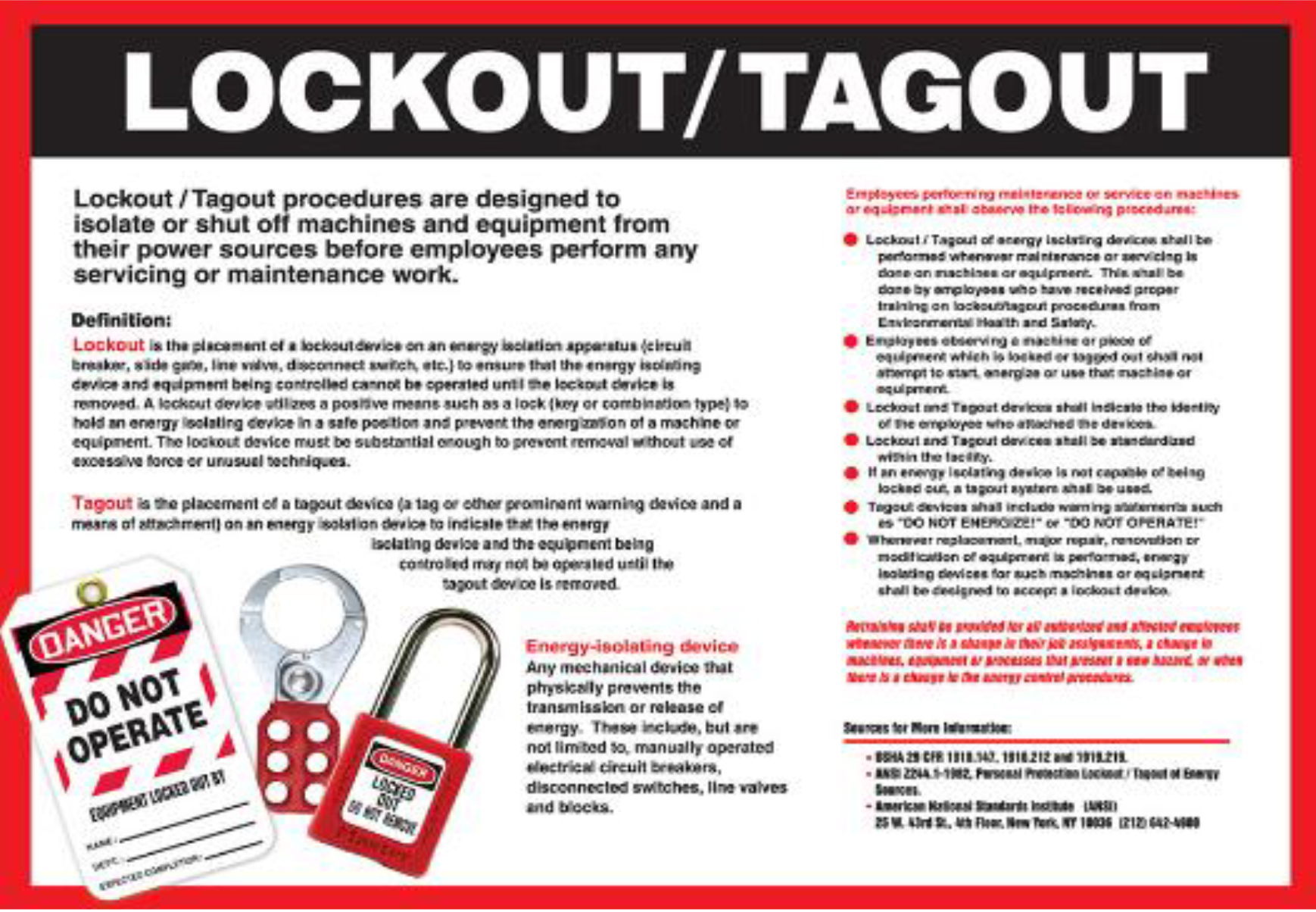
Lockout tagout is used to ensure that dangerous machines and equipment are properly shut off, isolated from all energy sources, and can’t be restarted until maintenance or repair work is complete. This includes electrical, mechanical, hydraulic, pneumatic, chemical, thermal, or any other form of hazardous energy.
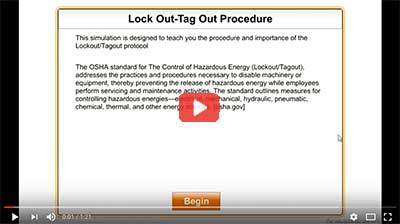
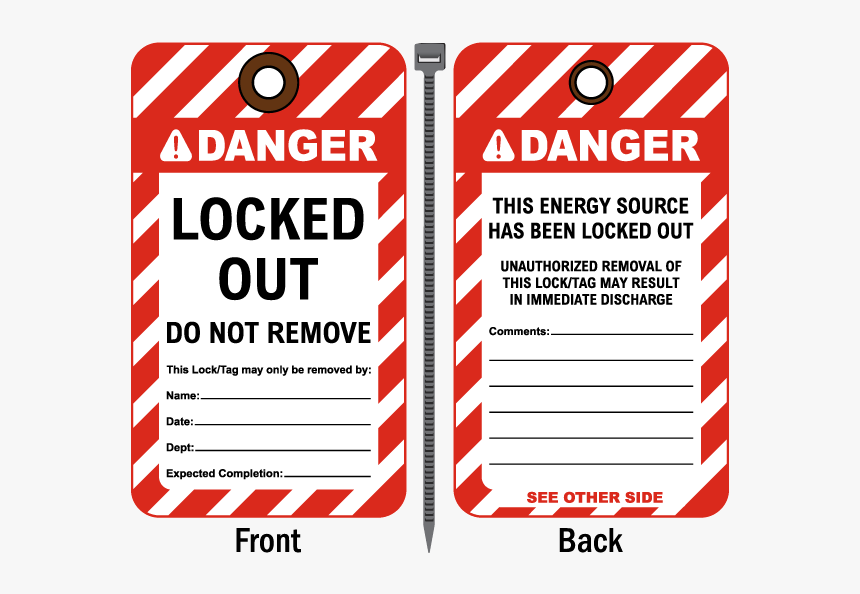
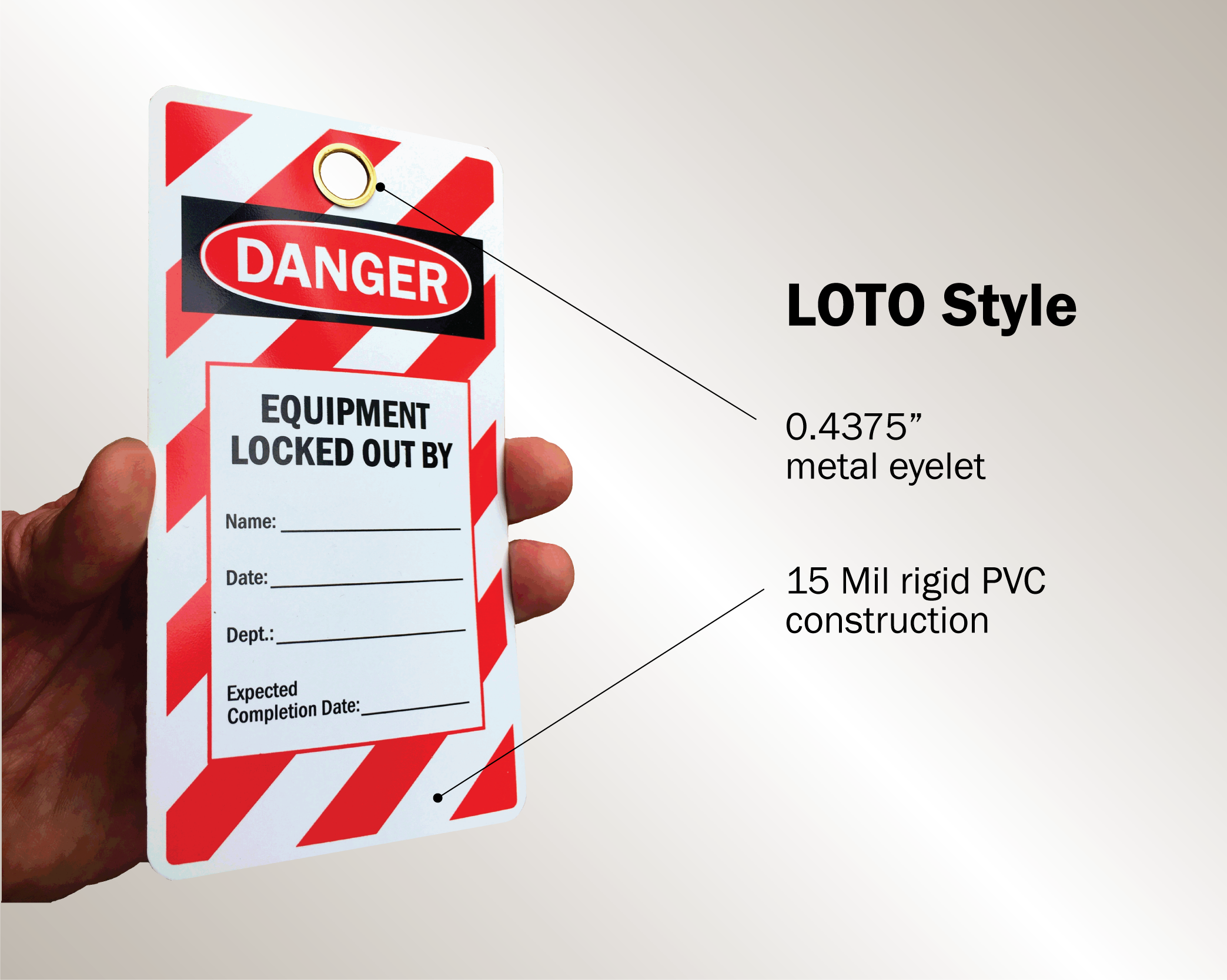
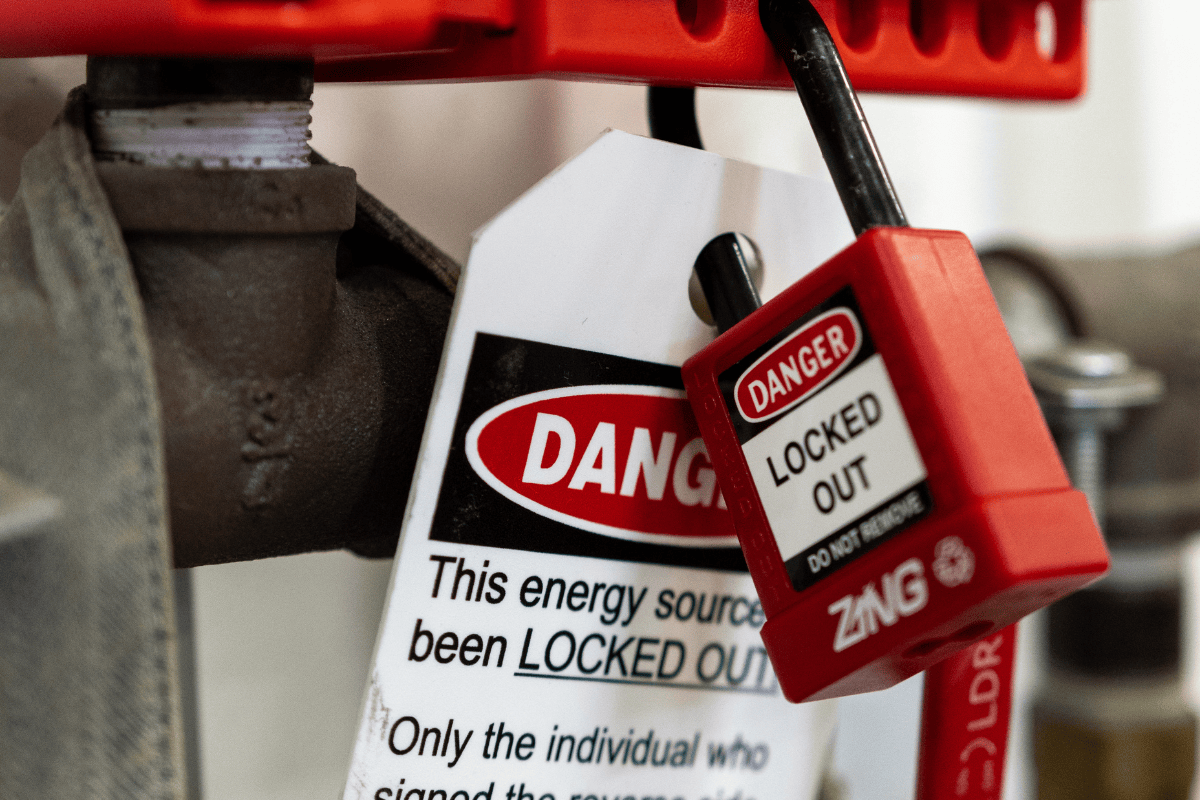
The two components—lockout and tagout—work together: - Lockout uses a physical lock to prevent re-energizing a system. - Tagout uses a warning tag to communicate that the equipment is unsafe to operate.
Together, they form a system that protects workers from serious injury or death caused by unexpected energization, startup, or release of stored energy.
For example, in a manufacturing plant, a conveyor belt must be serviced. Without LOTO, residual energy in the motor or tension in the belt could cause sudden movement. A worker’s arm could be crushed before they even react. With proper lockout tagout applied, all energy is disconnected and locked, the tag clearly warns others, and the system remains inert until the technician removes their lock.
Industries That Rely on Lockout Tagout
LOTO isn’t optional in high-risk environments—it’s foundational. Industries where machinery operates under high pressure, voltage, or temperature depend on lockout tagout systems daily.
Manufacturing Assembly lines use interconnected machines that store kinetic and electrical energy. A jammed robotic arm, if not properly locked out, can reactivate mid-repair and cause severe injury.
Energy and Utilities Power plants deal with steam, high-voltage circuits, and rotating turbines. A single misstep during maintenance—like failing to drain a pressurized line—can lead to explosions or electrocution.
Construction Heavy equipment like cranes, excavators, and compressors require servicing. Lockout ensures hydraulic systems don’t depressurize unexpectedly or engines don’t crank during tune-ups.
Agriculture Farm machinery like combines and balers often operate in remote locations with less oversight. LOTO procedures prevent grain bin entrapments or auger entanglements during cleaning.
Healthcare Even hospitals use LOTO—on large sterilizers, HVAC systems, and medical gas lines. A malfunction during servicing could expose staff to scalding steam or toxic gases.
In every case, the use of lockout tagout goes beyond following rules. It’s about building a repeatable, verifiable system that eliminates guesswork and protects everyone on site.
How Lockout Tagout Prevents Accidents
Accidents happen when assumptions replace procedures. A worker assumes a machine is off. A supervisor doesn’t verify isolation. A tag is ignored because it’s been there for days.
LOTO combats these human tendencies with structure.
Prevents Unexpected Startups The most direct use of lockout tagout is blocking accidental or unauthorized restarts. A lock physically stops a disconnect switch from being closed. A tag explains why it’s locked. This dual barrier reduces reliance on memory or verbal communication.
Controls Stored Energy
Many overlook that danger persists even after power is cut. Springs, elevated loads, capacitors, and pressurized fluids can release energy violently. LOTO procedures require bleeding, blocking, or dissipating this stored energy before work begins.
Ensures Clear Accountability Each lock is assigned to a specific employee. Only that person can remove it. This personal accountability prevents others from re-energizing equipment someone else is still working on.
Reduces Human Error Standardized LOTO workflows reduce variability. Checklists, training, and audits ensure the same high standard is applied every time—regardless of shift, urgency, or experience level.
For instance, a maintenance team at a paper mill follows a LOTO checklist before clearing a jam in a roller system. They disconnect power, relieve hydraulic pressure, secure moving parts with locks, and attach tags. Only when all steps are verified does work begin. This process turns a high-risk task into a controlled operation.
Common Mistakes That Undermine LOTO Effectiveness
Even when companies implement lockout tagout, failures often stem from poor execution—not lack of policy.
Using Tags Without Locks Tagout alone is not sufficient under OSHA rules when an energy-isolating device can be locked. Tags can be removed or ignored. Locks provide physical enforcement.
Group Lockout Confusion In team maintenance, a common mistake is using a single lock or shared hasp. Proper group lockout requires each worker to apply their own lock to a multi-lock device, ensuring no one can restart the system without everyone’s consent.
Skipping Stored Energy Checks Workers sometimes focus only on electrical isolation and forget mechanical or thermal hazards. A boiler cooled down might still contain pressurized steam. A flywheel may spin for minutes after shutdown.
Incomplete Training Temporary workers, contractors, or new hires might not fully understand LOTO procedures. If they’re not trained on site-specific energy control plans, they become vulnerable—and a risk to others.
Rushing the Process In high-pressure environments, workers bypass LOTO to save time. This is especially dangerous during short repairs or troubleshooting. But even a 30-second adjustment can turn deadly if a machine starts unexpectedly.
These mistakes reveal a gap between policy and practice. What a lockout tagout is used for only matters if it’s applied correctly, every single time.
Elements of an Effective LOTO Program
A successful lockout tagout system isn’t just about handing out locks and tags. It requires a comprehensive program built on five pillars.

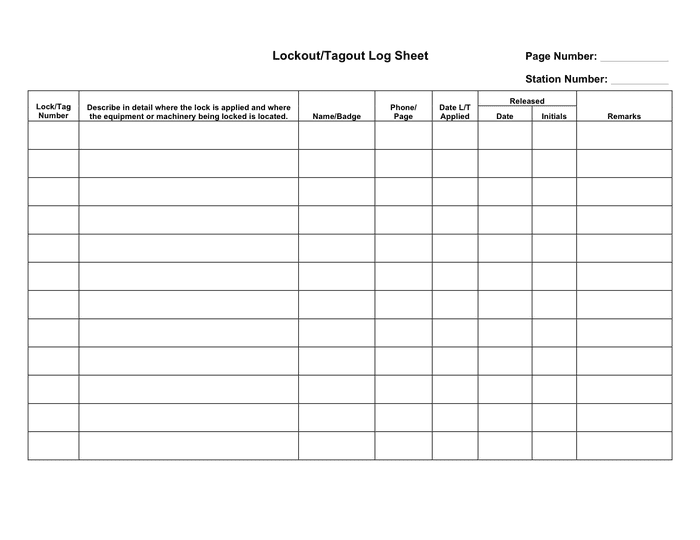
Written Energy Control Procedures Every machine or process with hazardous energy must have a documented LOTO procedure. These should include: - Specific shutdown and isolation steps - Location of energy sources and lock points - Methods for releasing stored energy - Verification of zero energy state
Employee Training Two types of training are required:
- Authorized employees (those who perform LOTO) must know how to implement procedures.
- Affected employees (those who operate or use equipment) must understand the purpose and not interfere with locked-out systems.
Periodic Inspections LOTO procedures must be inspected at least annually. A supervisor reviews each procedure with an authorized employee to verify it’s being followed correctly and remains up to date.
Proper Equipment Use only durable, standardized locks and tags. Locks should be:
- Keyed differently per employee
- Clearly labeled with the worker’s name and contact info
- Non-releasable without a key (no slip locks)
Tags must include: - Reason for the lockout - Date and time applied - Name of the authorized employee
Enforcement and Culture Leadership must reinforce LOTO compliance consistently. Celebrate adherence. Investigate near-misses. Make safety part of performance reviews.
When these elements are in place, what a lockout tagout is used for becomes ingrained in daily operations—not just a box to check.
Real-World Use Cases of Lockout Tagout
Understanding theory is one thing. Seeing it in action makes it real.
Case 1: Automotive Assembly Line A robotic welder malfunctions. Maintenance is scheduled. The technician follows the plant’s LOTO procedure: powers down the cell, locks the main disconnect, relieves pressure in the pneumatic lines, and attaches their tag. Only after verifying zero energy does repair begin. A supervisor audits the lockout as part of the annual review.
Case 2: Water Treatment Plant A pump motor needs replacement. The electrician isolates the circuit breaker, applies a lock, and tags it. But they also close and lock a valve to prevent water surge—a form of mechanical energy control. Both locks are removed only after the motor is installed and the area is clear.
Case 3: Commercial Kitchen A dishwasher’s heating element fails. The kitchen manager locks the unit’s power switch and places a tag. The repair technician confirms no power with a meter before opening the panel. The lock stays until the element is replaced and the unit is safe to use.
These examples show that LOTO isn’t just for industrial settings. Anywhere hazardous energy exists, so does the need for lockout tagout.
Final Thoughts: LOTO Is a Commitment, Not a Shortcut
What is a lockout tagout used for? To protect people. To prevent life-altering injuries. To ensure that every worker goes home safe.
But its effectiveness depends on consistency, training, and leadership. A lock without a procedure is useless. A tag without accountability is ignored. A policy without enforcement is forgotten.
Implementing LOTO isn’t about buying the right equipment—it’s about building the right mindset. When every employee knows why the lock is there, who put it there, and why it stays until the job is done, safety becomes culture.
If you oversee maintenance, operations, or safety—review your LOTO program today. Are procedures up to date? Are locks being used correctly? Are contractors trained? Don’t wait for an incident to prove the stakes.
Start now. Lock it, tag it, verify it. Every time.
Frequently Asked Questions
What is the main purpose of lockout tagout? The main purpose is to control hazardous energy during maintenance to prevent accidental startup and protect workers.
When should lockout tagout be used? LOTO must be used whenever employees service or maintain machines or equipment where unexpected energization could cause injury.
Who is responsible for applying a lockout tagout device? Only authorized employees who have been trained in energy control procedures can apply and remove LOTO devices.
Can tagout be used without lockout? Tagout alone is allowed only when a lock cannot be used, and additional safety measures must be in place to provide equivalent protection.
What types of energy does LOTO control? LOTO controls electrical, mechanical, hydraulic, pneumatic, chemical, thermal, and any other form of hazardous energy.
How often should LOTO procedures be reviewed? Written procedures must be inspected at least annually to ensure they are accurate and being followed.
What happens if someone removes a lockout device early? Removing a LOTO device without authorization is a serious violation and can result in disciplinary action, injury, or even fatalities.
FAQ
What should you look for in What Is a Lockout Tagout Used For? Key Safety Explained? Focus on relevance, practical value, and how well the solution matches real user intent.
Is What Is a Lockout Tagout Used For? Key Safety Explained suitable for beginners? That depends on the workflow, but a clear step-by-step approach usually makes it easier to start.
How do you compare options around What Is a Lockout Tagout Used For? Key Safety Explained? Compare features, trust signals, limitations, pricing, and ease of implementation.
What mistakes should you avoid? Avoid generic choices, weak validation, and decisions based only on marketing claims.
What is the next best step? Shortlist the most relevant options, validate them quickly, and refine from real-world results.