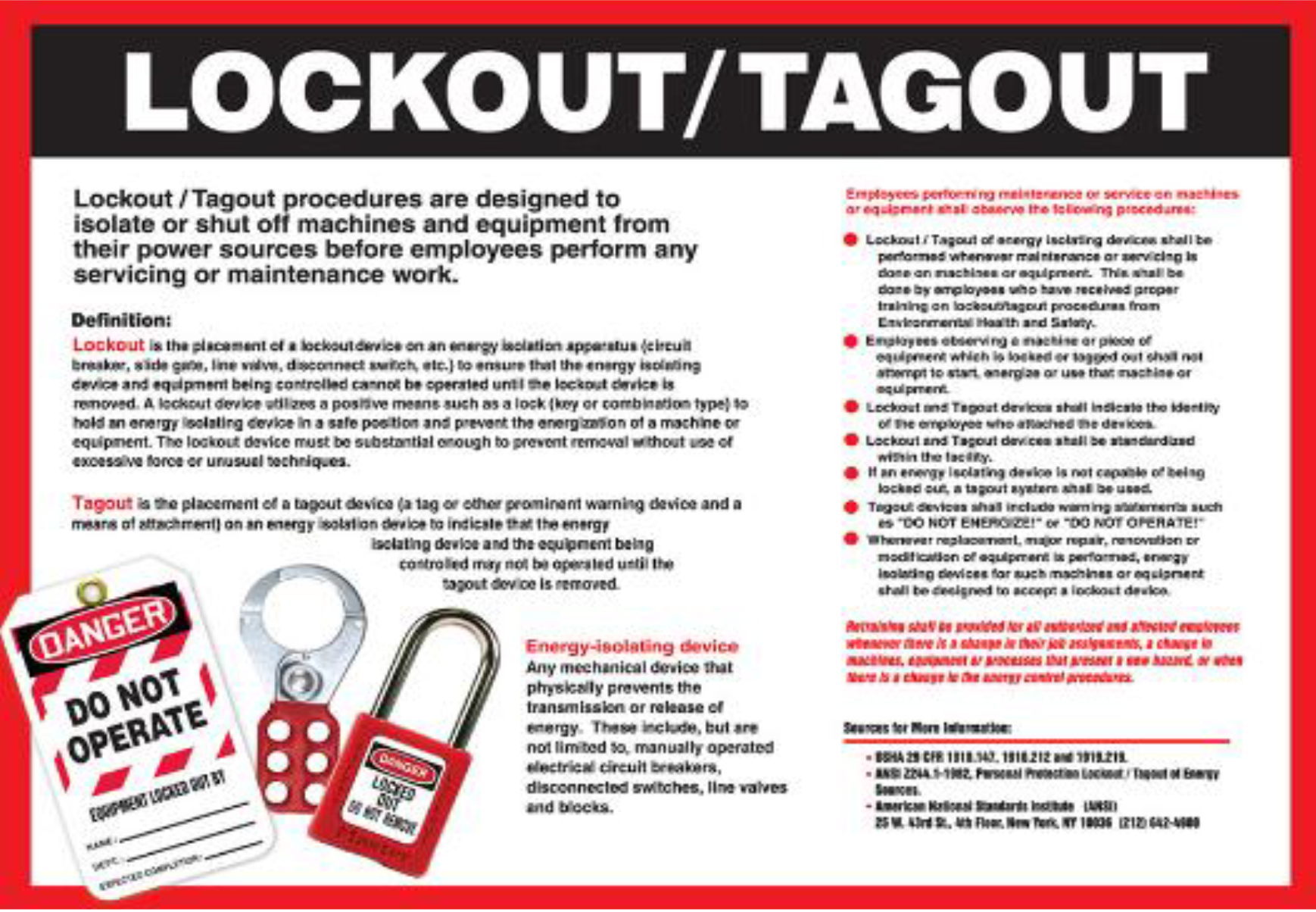
Every year, hundreds of workers suffer severe injuries—or worse—because machinery was accidentally re-energized during maintenance. The solution? A properly executed lockout tagout (LOTO) program built on reliable lockout tagout lock sets. These aren’t just accessories—they’re engineered safeguards that physically prevent access to energy sources, ensuring equipment stays de-energized until work is complete.
Despite widespread awareness, LOTO violations remain among OSHA’s most cited safety failures. The root cause? Poor implementation, inconsistent lock usage, and a lack of standardized lock sets. This guide breaks down everything you need to know about lockout tagout lock sets—their types, applications, selection criteria, and real-world best practices.
What Are Lockout Tagout Lock Sets?
Lockout tagout lock sets are curated collections of safety devices designed to isolate energy sources on machinery. They typically include padlocks, hasps, valve locks, circuit breaker locks, and tags. These sets standardize the lockout process across teams, reducing confusion and human error during maintenance.
A lock set isn’t just a random assortment of locks. It’s a purpose-built kit tailored to specific environments—electrical panels, hydraulic systems, conveyor belts, or chemical processing units. Each component works in concert to ensure one clear rule: no energy flow until every lock is removed by the authorized employee.
Why Lock Sets Beat Individual Locks
Using individual locks leads to inconsistency. One technician might use a plastic cable lock, another a steel hasp—creating confusion and potential bypasses. Lock sets eliminate this risk by: - Ensuring uniform lock color and design - Including only OSHA-compliant, high-quality components - Providing clear labeling and tagging protocols - Supporting group lockout procedures
In high-turnover or multi-contractor environments, consistency is safety.
Key Components of a Lockout Tagout Lock Set
A quality lock set includes more than just padlocks. It’s a system. Here’s what you should expect in a professional-grade kit:
1. Safety Padlocks These are the core. Made from non-conductive materials (like nylon or polycarbonate), they resist corrosion and electrical hazards. Most feature 1- or 2-inch shanks to fit standard hasps and breakers. Color-coding (e.g., red for electrical, yellow for mechanical) helps identify lock types at a glance.
2. Lockout Hasps Used when multiple workers need to apply locks to a single energy isolation point. The hasp clamps over a valve or switch, allowing several padlocks to be attached. Always choose hasps with tamper-resistant rivets and reinforced steel.
3. Valve Locks For pipelines and fluid systems, valve lockouts prevent handle rotation. Ball valve locks, gate valve locks, and lever lockouts come in various sizes to fit industrial valves. Some include universal adjustment for field flexibility.
4. Circuit Breaker Locks Electrical safety starts here. These plastic or metal devices slide over breaker toggles, physically blocking operation. Look for models that fit common breaker sizes (15A–200A) and include write-on labels.
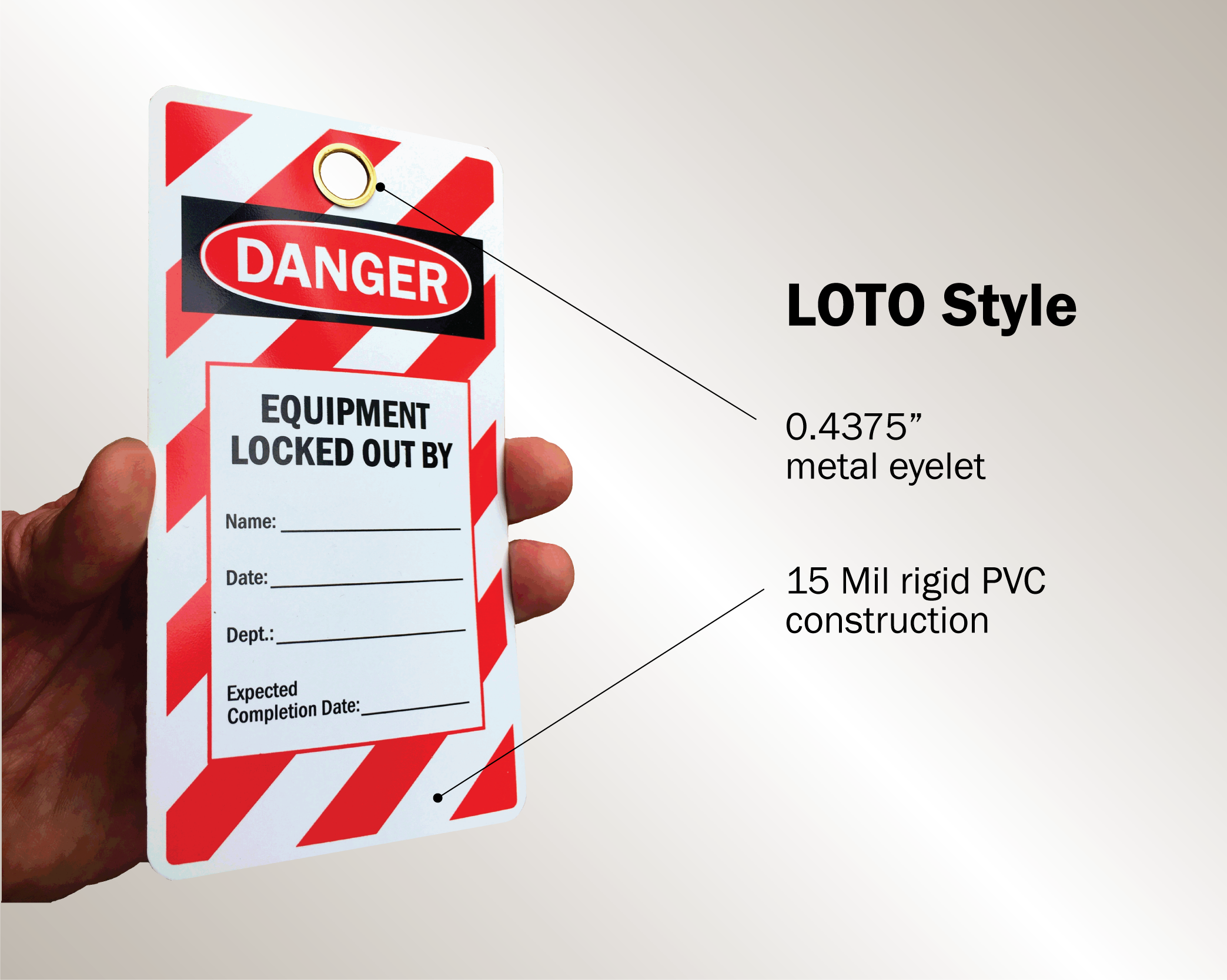
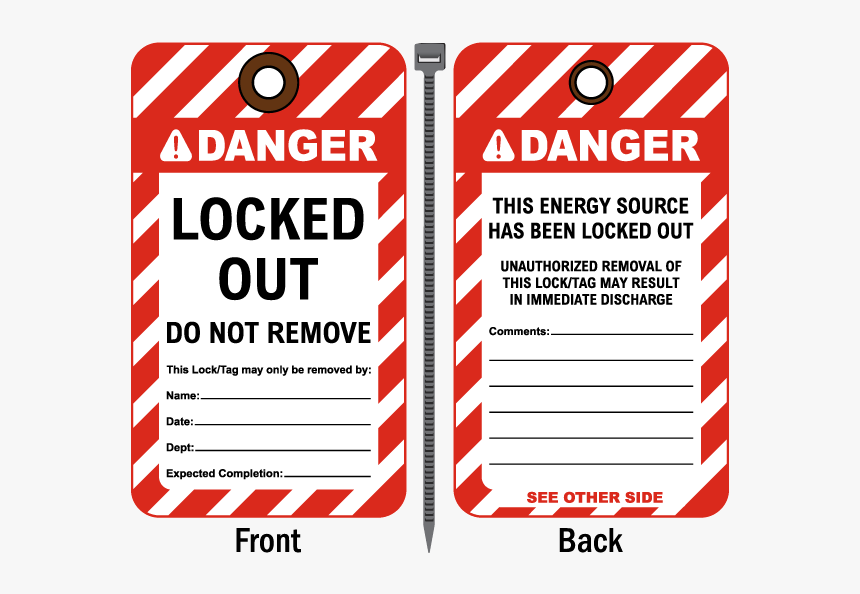
5. Tags Tags don’t stop energy—but they communicate. A tag should include:
- Employee name
- Department
- Date and time of lockout
- Reason for maintenance
- Emergency contact
Even if the lock fails, the tag provides a paper trail and warning.

6. Storage Case A durable, portable case keeps components organized and visible. Transparent compartments help teams audit contents before and after use.
When and Where Lockout Lock Sets Are Used
LOTO lock sets aren’t just for factories. They’re essential in any setting where unexpected startup could cause harm. Common applications include:
- Manufacturing Plants: Conveyor systems, presses, robotic arms
- HVAC Maintenance: Chillers, boilers, duct systems
- Healthcare Facilities: Medical gas lines, sterilizers, backup generators
- Utilities & Energy: Transformers, switchgear, pipelines
- Facilities Management: Elevators, pumps, air compressors
Real-World Example: Preventing a Near-Miss
At a Midwestern auto parts plant, a technician began servicing a hydraulic press. Another worker, unaware of maintenance, attempted to restart the machine. Thanks to a properly applied lock set—including a breaker lock and hasp—the system remained de-energized. The lock prevented a catastrophic crush injury. Post-incident review confirmed the lock set was compliant, color-coded, and correctly tagged.
This isn’t an anomaly. It’s proof that standardized lock sets save lives.
Choosing the Right Lockout Lock Set: 5 Critical Factors
Not all lock sets are created equal. Selecting the wrong one can lead to compliance gaps or equipment incompatibility. Use these criteria to make a smart decision:
1. Industry-Specific Hazards An electrical substation needs insulated locks and breaker devices. A food processing plant may require stainless steel components resistant to washdowns. Match materials to your environment.
2. Number of Authorized Employees If multiple technicians service equipment, choose a set with at least 6–10 padlocks and a multi-lock hasp. For solo maintenance, a compact 3-lock set may suffice.
3. Equipment Diversity Facilities with varied machinery need versatile components. Look for universal valve adapters, adjustable breaker locks, and cable wraps for odd-shaped isolators.
4. Durability and Standards Compliance Ensure all components meet ASTM F1249 and OSHA 29 CFR 1910.147. Padlocks should resist pull-force (over 3,500 lbs) and extreme temperatures.
5. Ease of Use and Training A complex set slows response time. The best kits are intuitive—clear labels, color-coded parts, and minimal assembly. This reduces errors during high-pressure maintenance.
Top 5 Lockout Tagout Lock Sets Reviewed
Here are five widely trusted lockout tagout lock sets, vetted for durability, compliance, and real-world performance:
| Product Name | Key Features | Best For | Lock Count |
|---|---|---|---|
| Master Lock 1420DAT | 10-piece kit, durable nylon padlocks, hasp, breaker locks, tags | General industrial use | 10 |
| Grace 340-10B | Heavy-duty steel hasp, insulated locks, valve and breaker adapters | High-risk electrical work | 10 |
| Safetek LOK-10 | Modular design, expandable, color-coded locks | Multi-department facilities | 10 |
| Bulwark LO-300 | Compact 6-lock set, waterproof case, quick-deploy tags | Mobile maintenance teams | 6 |
| Grainger Industrial Kit 4XK49 | OSHA-compliant, includes cable locks, group lockout board | Large-scale manufacturing | 12+ |
Why Master Lock 1420DAT Leads
While all these sets meet basic standards, the Master Lock 1420DAT stands out for balance. It includes: - 10 non-conductive padlocks with 2-inch shanks - 1 universal breaker lock - 1 ball valve lock - 1 lockout hasp - 10 durable tags - Storage in a rugged, labeled case

Its popularity stems from reliability and widespread compatibility—ideal for mid-sized operations needing a ready-to-deploy solution.
Common Mistakes That Undermine LOTO Lock Sets
Even with the best kit, human error can compromise safety. Watch for these recurring issues:
- Using Personal Locks Not From the Set: Employees bring their own padlocks, defeating color-coding and accountability.
- Skipping the Tag: “I’ll be quick” leads to no communication—dangerous if shifts change.
- Poor Storage: Kits left in lockers or break rooms delay response and encourage shortcuts.
- One-Size-Fits-All Thinking: Using a generic set on specialized equipment (e.g., cryogenic valves) results in improper fit and risk.
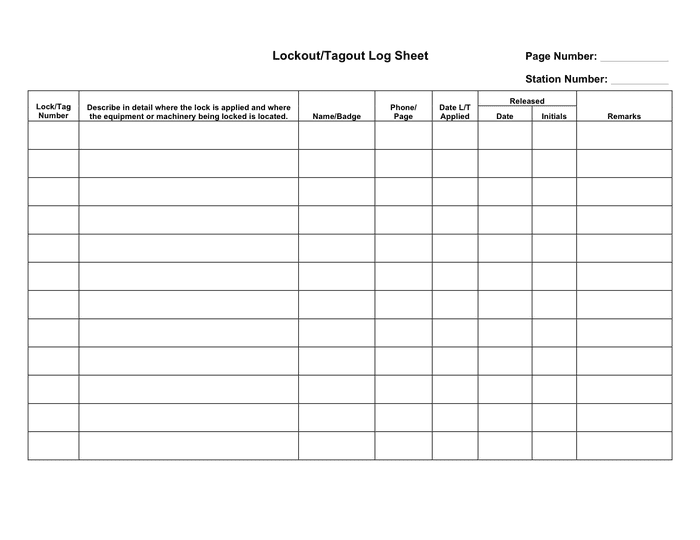
- No Audit Trail: Failing to log lockout events makes compliance verification impossible.
Fix these with training, audits, and visual management—like mounting kits near high-risk equipment.
Integrating Lock Sets Into Your LOTO Program
A lock set is only as strong as the program behind it. Follow these steps to maximize effectiveness:
- Conduct an Energy Audit: Identify all energy sources (electrical, pneumatic, hydraulic, thermal).
- Map Lockout Points: Label each isolation point with a LOTO station number.
- Standardize Kits by Zone: Assign specific lock sets to departments or machines.
- Train and Certify Employees: Only authorized personnel should apply locks.
- Perform Monthly Inspections: Check for damaged locks, missing tags, or expired components.
- Document Every Event: Maintain a log of lockout duration, personnel, and equipment.
When done right, lock sets become part of the workflow—not an afterthought.
Closing: Make Lockout Tagout Lock Sets a Non-Negotiable
Accidents during maintenance are preventable. Lockout tagout lock sets are not optional upgrades—they’re fundamental components of a safe workplace. From manufacturing floors to utility substations, a standardized, well-maintained lock set ensures that “off” means off.
Don’t wait for a near-miss to act. Audit your current LOTO process. Replace outdated locks. Train your team. Invest in kits that match your risks. Because when a machine powers up unexpectedly, the only thing standing between safety and disaster is a lock—and the system behind it.
Equip your team. Standardize your sets. Lock out danger for good.
FAQ
What is a lockout tagout lock set? A lockout tagout lock set is a collection of safety devices—including padlocks, hasps, tags, and specialized locks—used to isolate energy sources during maintenance.
How many locks should a LOTO set include? Most sets range from 6 to 12 locks, depending on the number of authorized employees and complexity of equipment.
Can I use regular padlocks for lockout? No. Only safety padlocks designed for LOTO—non-conductive, keyed-alike or keyed-different, and durable—should be used.
Are lockout tags required with locks? Yes. Tags provide critical information like who locked the device, when, and why. They’re mandatory under OSHA 1910.147.
How often should lockout sets be inspected? Monthly inspections are recommended to check for damage, missing parts, or wear.
Can one lock set be used across multiple machines? Yes, but only if components are compatible with all energy isolation points. Otherwise, use machine-specific kits.
Do lockout lock sets need to be color-coded? While not required by OSHA, color-coding (e.g., red for electrical, blue for pneumatic) improves clarity and safety.
FAQ
What should you look for in Lockout Tagout Lock Sets: Your Complete Safety Guide? Focus on relevance, practical value, and how well the solution matches real user intent.
Is Lockout Tagout Lock Sets: Your Complete Safety Guide suitable for beginners? That depends on the workflow, but a clear step-by-step approach usually makes it easier to start.
How do you compare options around Lockout Tagout Lock Sets: Your Complete Safety Guide? Compare features, trust signals, limitations, pricing, and ease of implementation.
What mistakes should you avoid? Avoid generic choices, weak validation, and decisions based only on marketing claims.
What is the next best step? Shortlist the most relevant options, validate them quickly, and refine from real-world results.